
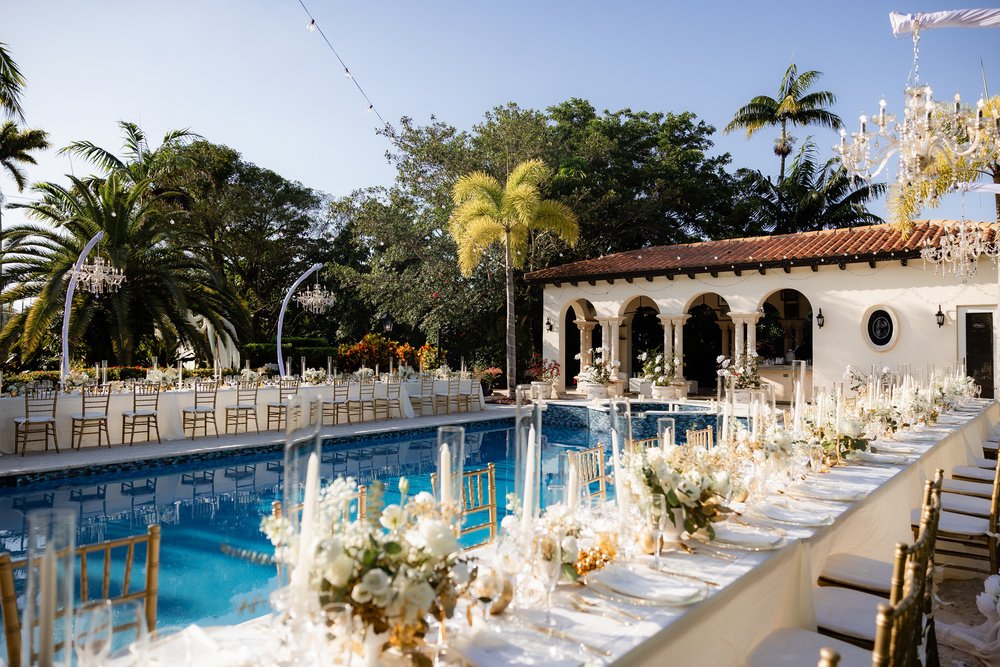
Before hiring a destination wedding planner in Toronto, you need to ask about their hands-on experience in your chosen location, their fee structure and travel costs, how they coordinate vendors from a distance, and whether they’ll personally be on-site for the entire celebration. These questions separate planners who truly specialize in destination weddings from those who simply say they do.
Planning a wedding abroad from the Greater Toronto Area comes with layers that a local wedding doesn’t — foreign vendor contracts, time zone gaps, legal paperwork in another country, guest travel logistics, and the reality that you can’t just pop over to check on things. The right planner handles all of that so you don’t have to. But the wrong one can leave you scrambling from thousands of miles away.
This guide breaks down the exact questions you should ask — and what to listen for in their answers — before you commit to anyone. If you’re still early in the process and exploring what a destination celebration actually looks like, take a look at our destination wedding planning services to see how we approach it.
Key Takeaways
- Ask about their real experience in your specific destination — not just destination weddings in general. A planner who’s worked in Tulum is not automatically prepared for Tuscany.
- Get full transparency on fees and travel costs. Know exactly what you’re paying for, what’s billed separately, and whether they earn commissions from resorts or vendors.
- Confirm the lead planner will personally attend. Some companies send an associate instead. Find out before you sign.
- Understand how they source and manage vendors internationally — especially in locations where they don’t have an existing network.
- If your wedding blends cultures or traditions, ask how they handle that. Not every planner has the experience or sensitivity to merge two backgrounds into one ceremony.
How Much Experience Do You Have With Destination Weddings?
This is the first thing to ask, and you want specifics — not a vague “yes, we do destination weddings.”
Ask how many destination weddings they’ve actually planned from start to finish. Then narrow it down. Have they worked in your specific country? Your specific resort or venue? A planner with 50 local Toronto weddings and two destination events is a very different hire than someone with a deep portfolio across multiple international locations.
If they haven’t worked in your destination before, that’s not necessarily a dealbreaker. But their answer to the follow-up matters a lot: How do you prepare for a location you haven’t worked in? A strong planner will walk you through their research process — scouting local vendors remotely, connecting with on-the-ground contacts, reviewing resort logistics, and understanding local regulations. A weak answer here is a red flag.
Also ask to see real work. Photos, videos, client testimonials — anything from actual destination weddings they’ve coordinated. A polished website is one thing. Proof of execution is another.
What Does Your Fee Structure Look Like for Destination Weddings?
Money talk might feel uncomfortable, but it’s one of the most important conversations you’ll have with a potential planner. Destination weddings come with costs that local weddings don’t, and you need to know where your money is going before you sign anything.
Start with the basics:
- What pricing model do they use? Some planners charge a flat fee. Others take a percentage of your total wedding budget. Some bill hourly. Each model has pros and cons, but you need to know which one you’re agreeing to.
- What’s included in that fee? Full planning? Vendor coordination? Day-of management? Design? Ask for a clear breakdown.
- What’s not included? This is where surprises hide. Travel costs for the planner — flights, hotel, meals, ground transportation — are often billed separately. Make sure you know the full picture.
Then dig a little deeper:
- Do they receive commissions or referral fees from resorts or vendors? This isn’t uncommon, and it’s not necessarily a problem — but you deserve to know. A planner who earns a kickback from a resort recommendation has a financial incentive that may not align with your best interest.
- How do they handle currency differences? If your vendors are billing in pesos, euros, or pounds, ask how payments are managed and whether exchange rate fluctuations could affect your budget.
The right planner won’t flinch at these questions. They’ll have clear, straightforward answers ready because they’ve been asked before.
Will You Be There in Person — Or Will You Send Someone Else?
This one catches a lot of couples off guard. You spend months building a relationship with a planner, trusting them with every detail — and then someone you’ve never met shows up at your destination wedding to run the show.
It happens more often than you’d think, especially with larger planning companies. So ask directly:
- Will you, the lead planner I’ve been working with, be physically present at the destination?
- Will you be there for the full wedding weekend — or just the ceremony day? Destination weddings often include welcome dinners, group excursions, and post-wedding brunches. If your planner only shows up the day of, the rest of those events are on you.
- How many team members will travel with you? Weddings have a lot of moving parts. One person can’t realistically manage setup, vendor arrivals, guest coordination, and timeline management alone.
And here’s a question most couples forget: What’s your backup plan if you can’t make it? Illness, flight cancellations, family emergencies — life happens. A professional planner will have a contingency in place. If they don’t have an answer, that tells you something.
How Do You Source and Manage Vendors in Another Country?
One of the biggest reasons to hire a destination wedding planner is so you don’t have to find and manage vendors in a place you’ve never lived. But not all planners handle this the same way.
Some have established vendor networks in popular destinations — they’ve built relationships with photographers, florists, caterers, and DJs in places like Mexico, the Caribbean, or southern Europe over multiple weddings. Others start fresh every time, researching and vetting vendors from scratch.
Neither approach is wrong, but you want to understand which one you’re getting. Ask:
- How do you find and vet local vendors in a destination you haven’t worked in? Look for answers that mention reference checks, portfolio reviews, video calls, and contract analysis — not just a quick Google search.
- Who handles the vendor contracts — you or me? Ideally, your planner should review (or negotiate) contracts on your behalf, especially when dealing with foreign legal language and payment terms.
- How do you communicate with local teams across time zones? A six-hour time difference between Toronto and your destination can slow things down fast. A good planner has a system — whether it’s scheduled calls, WhatsApp groups, or a project management platform — to keep everything moving.
- Do you speak the local language, or do you work with a translator? This matters more than people realize. Miscommunication with a local vendor can lead to wrong setups, missing items, or timing errors on the wedding day.
That last point is worth pausing on. A planning team that speaks multiple languages has a real operational advantage when coordinating international weddings. It’s not just a nice detail — it can prevent costly mistakes.
How Do You Handle Legal Requirements and Paperwork Abroad?
Getting legally married in another country isn’t always as simple as showing up with your passport. Every destination has its own rules, and they vary widely.
Some countries require a minimum residency period before you can legally marry there. Others need specific documents — apostilled birth certificates, divorce decrees, blood tests, or letters of no impediment from the Canadian government. Some have religious restrictions on who can officiate. The paperwork can be confusing, and missing a single step could mean your marriage isn’t legally recognized.
Ask your planner:
- Are you familiar with the legal marriage requirements in this country?
- Will you help coordinate the paperwork, or is that on us?
- Have any of your past couples run into legal issues at this destination?
A practical solution many couples choose — and a good planner should mention this — is having a symbolic ceremony at the destination and completing the legal paperwork back home in Ontario. It removes the stress of navigating foreign bureaucracy and lets you focus on the celebration itself.
Can You Plan a Wedding That Blends Two Cultures or Traditions?
This question won’t apply to every couple. But if it applies to you, it matters more than almost anything else on this list.
Multicultural weddings have details that go beyond color palettes and seating charts. You might need two ceremonies in one day — or specific rituals performed in a particular order. You might have families with different expectations about traditions, dress codes, or food. You might need an officiant who can conduct a ceremony in two languages, or a caterer who understands dietary restrictions tied to religious practice.
A planner who’s done this before will know the right questions to ask you. A planner who hasn’t might unintentionally overlook something meaningful to your family.
When you’re interviewing planners, ask:
- Have you planned weddings that merge two different cultural or religious backgrounds?
- How do you approach learning about traditions you’re not personally familiar with?
- Can you coordinate with cultural officiants, specialized musicians, or traditional caterers in the destination?
- Does your team include members who speak the languages relevant to our families?
The best answer isn’t “yes, we’ve done a few.” It’s a detailed explanation of how they approached it — what they learned, what they coordinated, and how they made both families feel respected and represented. If your celebration involves blending traditions, this question alone can tell you whether a planner is the right fit.
How Will You Manage Guest Travel and Accommodations?
Your wedding day is one piece of a destination celebration. For your guests, the trip itself — flights, hotels, transfers, activities — is the full experience. And if the logistics are messy, your guests will feel it.
Ask your planner how they handle the guest-facing side of things:
- Do you help arrange room blocks and group rates at the resort or nearby hotels? Negotiating group discounts and managing reservation deadlines is a big job. You don’t want to be the one chasing RSVPs and room confirmations.
- Will you create a travel information page or welcome guide for guests? A simple document with flight tips, packing suggestions, local currency info, and a schedule of events goes a long way. It shows guests you’ve thought about their experience too.
- How do you accommodate guests with different needs? Accessibility concerns, dietary restrictions, families with young children, elderly relatives who need extra support — a thoughtful planner considers all of this.
- Do you coordinate multi-day itineraries? Welcome dinners, group excursions, pool days, farewell brunches — destination weddings often stretch across three or four days. If your planner only manages the wedding day itself, you’re left coordinating everything else on your own.
The planner’s answer here reveals whether they think of your wedding as a single event or a full experience. You want someone who sees the whole picture.
What Happens If Something Goes Wrong Before or During the Wedding?
Things go wrong at weddings. Things go wrong more at destination weddings — because you’re adding travel variables, weather unpredictability, foreign infrastructure, and vendors who operate under different norms than what you’re used to in Ontario.
The goal isn’t to find a planner who promises nothing will go wrong. That’s unrealistic. The goal is to find one who has a plan for when it does.
Ask:
- Can you give me a specific example of a problem you’ve solved at a past destination wedding? Listen for real stories with real details — not rehearsed, generic answers about “staying calm under pressure.”
- What’s your Plan B for severe weather? If you’re getting married on a beach in the Caribbean during hurricane season, this isn’t a hypothetical.
- How do you handle flight cancellations or travel delays for the couple, guests, or key vendors? A photographer stuck at an airport connection is a real scenario. What do they do?
- What does your contract say about cancellations, postponements, or force majeure events? Read the fine print. Understand your refund rights and their obligations if circumstances change.
- Do you carry liability insurance that covers international events? Not all policies do. Ask to see proof of coverage.
A planner who’s been through real destination wedding challenges will answer these questions with confidence and specificity. That’s what you’re looking for.
How Will We Communicate Throughout the Planning Process?
You’re planning a wedding from Toronto for a celebration that’s happening in another country — possibly in another time zone, in another language, with vendors you’ve never met. Communication isn’t just important. It’s everything.
Before you hire a planner, get clear on how the working relationship will actually function day-to-day:
- What tools do you use? Email, Zoom, WhatsApp, a shared planning platform — different planners work differently. Make sure their system works for you too.
- How often will we have formal check-ins? Weekly? Biweekly? Monthly? The cadence should ramp up as the wedding date approaches.
- What’s your typical response time? If you send a question on Monday, will you hear back that day? Within 48 hours? By the end of the week? Set expectations early.
- Will I have one main point of contact, or will I be communicating with multiple team members? Consistency matters. You don’t want to re-explain your vision to a new person every few weeks.
- How do you keep track of all the details? Timelines, vendor contacts, contracts, payments, guest lists — ask what system they use to stay organized and whether you’ll have access to it.
A great planner makes you feel informed without making you feel overwhelmed. They give you updates, flag decisions that need your input, and handle the rest without you having to chase them down. If your initial consultation already feels disorganized or hard to schedule, that’s a preview of what the next 12 months will look like.
Final Thoughts
Hiring a destination wedding planner is one of the biggest decisions you’ll make during this process. The right person takes the complexity off your plate, protects your budget, and makes sure your celebration runs beautifully — no matter how far from home it happens. The wrong one adds stress instead of removing it.
Use these questions as your checklist. Pay attention not just to what a planner says, but how they say it. Confidence, specificity, and transparency are what you’re looking for. Vague answers, defensiveness around money questions, or an inability to share real examples from past destination weddings are signs to keep looking.
At Designed Dream Events, we’ve spent over 15 years planning luxury, multicultural celebrations across the GTA and around the world — from the beaches of Tulum and Punta Cana to the vineyards of Tuscany. Our multilingual team speaks over seven languages, and we specialize in bringing together different cultural traditions into one seamless, beautiful event. If you’re planning a destination wedding and want a team that’s been there and done it, we’d love to talk.
Book your free consultation today.
Does a Toronto Destination Wedding Planner Help With Resort Wedding Packages?
Why Is Wedding Planning So Stressful

How To Pick A Wedding Dress For Your Body Type?